
Your gut health is important. Beyond its role in inflammatory bowel disease (IBD), bloating, and...
In the midst of extreme weather, it’s important to prioritize your health and safety. Storms, snow, ice, and power outages can make it difficult to access groceries, medications, or medical care - and conditions can make it unsafe to venture outside when you normally wouldn't think twice.
Read below for practical tips to get the care you need - and weather the storm in a healthy way.
1. Stock up on prescription medications and medical supplies
Ensure you have at least a week’s supply of any prescription medications, over-the-counter drugs, and essential medical equipment like glucose monitors, inhalers, or blood pressure cuffs. Power outages, road closures, or pharmacy closures during extreme weather can make refills difficult, so having what you need on hand prevents health complications. Don’t forget items like extra contact lenses, hearing aid batteries, or mobility aids if applicable.
2. Keep a list of important phone numbers handy
In addition to your healthcare provider’s contact info, save emergency numbers for local hospitals, pharmacies, and Summus (+1 917-565-8540). Keep a physical copy in your home in case your phone dies or service is disrupted. Having a written list ensures you can reach help quickly during emergencies without relying solely on your device.
3. Stay hydrated and maintain proper nutrition
Cold snaps or storms can disrupt routines, leading to skipped meals or dehydration. Stock up on non-perishable, nutrient-rich foods and keep water readily available to support your immune system and overall health. Examples include:
-
Protein: canned tuna or salmon, beef sticks, shelf-stable protein shakes, canned beans
-
Healthy fats: nuts and seeds, nut butters, trail mix, olive oil packets
-
Carbohydrates: whole-grain crackers, oats, rice cakes, instant oatmeal packets
-
Fruits & veggies: dried fruit (apricots, mango, raisins), freeze-dried vegetables, canned vegetables and fruit in juice
-
Hydration: bottled water, electrolyte powders, shelf-stable coconut water
These foods help maintain energy, immunity, and overall health, even if fresh groceries are inaccessible for several days.
4. Monitor chronic conditions closely
If you have diabetes, heart disease, asthma, or other chronic conditions, extreme weather can worsen symptoms. Track vital signs like blood pressure, blood sugar, or oxygen levels, and adjust medications only as advised by your healthcare provider.
5. Speak to a doctor via phone/video if possible
Don’t leave your home unless absolutely necessary - contact your doctor's office if you need to speak with your doctor, and ask if they have any virtual appointments available. You may always reach out to Summus for non-urgent health questions. If power or internet is out, call Summus at +1 917-565-8540, and we'll connect you to a provider that can help.
6. Maintain safe indoor conditions
Keep your home heated safely, avoid using generators indoors, and ensure smoke and carbon monoxide detectors are functional. Check that windows and doors are sealed to prevent drafts, and keep blankets and warm clothing accessible. Maintaining safe indoor conditions reduces the risk of hypothermia, carbon monoxide poisoning, and other weather-related health emergencies.
7. Prepare for mobility or accessibility needs
If you or someone in your household uses a wheelchair, walker, or oxygen, plan for safe indoor and outdoor pathways. Clear snow and ice from entrances if possible, and make sure hallways and rooms are free of obstacles. Having an accessible setup at home ensures independence and safety during severe weather.
8. Watch for mental health impacts
Extreme weather can increase stress, anxiety, and feelings of isolation. Check in regularly with family and friends, and reach out to healthcare providers if needed. Summus can provide guidance, mental health support, and resources to help manage stress during storms when leaving the house isn’t safe.
9. Keep medications and devices at the right temperature
Some medications, such as insulin or certain eye drops, lose effectiveness if exposed to extreme heat or cold. Store medications according to instructions, and have backup solutions like insulated bags or coolers in case of power outages. Protecting these items ensures your treatment remains safe and effective.
10. Stay ready for everyday health needs
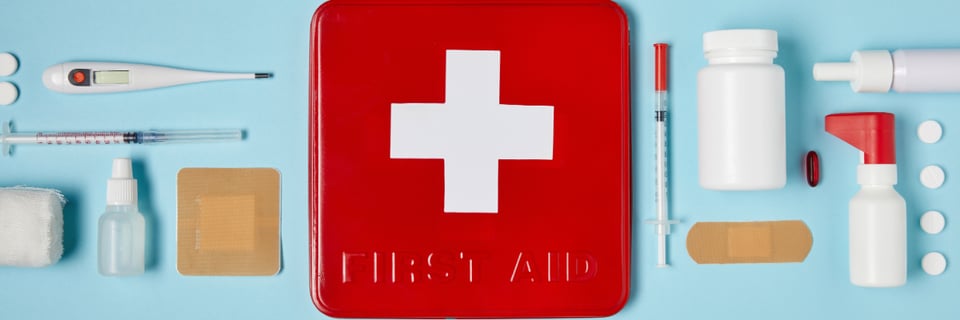
Have a basic first-aid kit, flashlight, batteries, blankets, and a thermometer readily available. Include supplies for minor injuries, burns, or cuts, and stock extra hygiene items like hand sanitizer and soap. Being prepared allows you to manage small health incidents at home until you can visit a professional.
Clinically reviewed by Dr. Nancy Creech, SVP of Clinical Operations at Summus